
 Augmented Reality in Real Estate: Transforming Property Marketing and Visualization
Augmented Reality in Real Estate: Transforming Property Marketing and Visualization
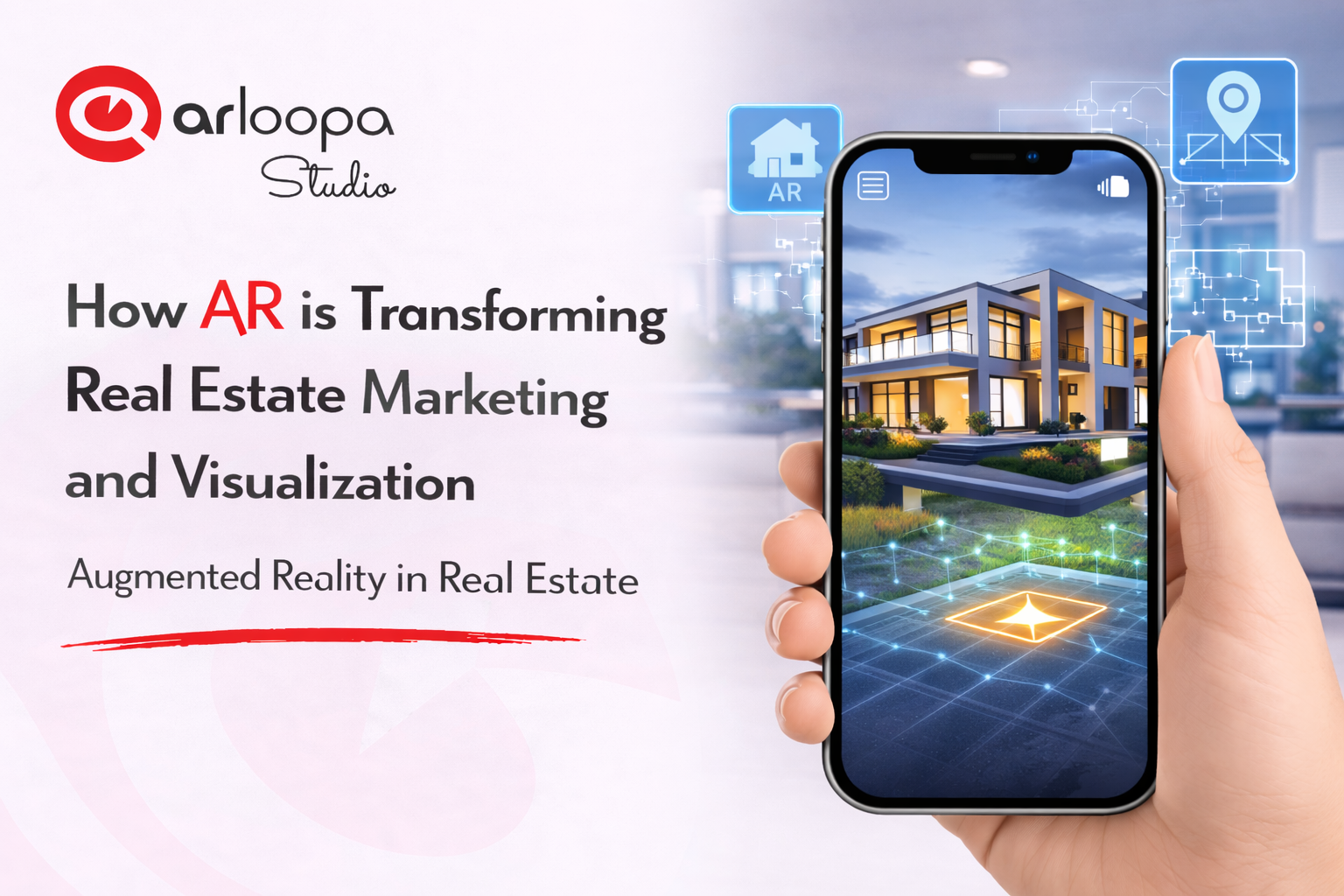
The real estate industry is constantly evolving as new technologies change how properties are marketed, explored, and sold. One of the most exciting innovations reshaping the industry today is Augmented Reality (AR).
By combining digital content with real-world environments, Augmented Reality allows buyers to visualize properties in interactive and immersive ways. From virtual property tours to interactive floor plans, AR is helping real estate companies create engaging experiences that simplify the buying process.
In this article, we’ll explore how augmented reality is transforming real estate marketing and how businesses can benefit from AR technology.
What Is Augmented Reality in Real Estate?
Augmented Reality in real estate refers to the use of AR technology to overlay digital elements—such as 3D models, floor plans, or property information—onto real-world environments through smartphones, tablets, or AR glasses.
Using AR, potential buyers can interact with properties without physically visiting them.
For example, AR allows users to:
- view a 3D model of a building project
- visualize furniture inside an empty apartment
- explore interactive property layouts
- see how a property will look after construction
This technology enhances property presentations and helps buyers better understand the space before making a decision.
1. Interactive Property Visualization
One of the biggest challenges in real estate is helping buyers visualize a property, especially when it is still under construction or completely empty.
Augmented Reality solves this problem by allowing buyers to see digital property models placed directly in their environment.
For example, a developer can show a full 3D model of a residential complex on a table through a smartphone camera.
Buyers can walk around the model, explore building details, and understand the layout in a much more interactive way than traditional blueprints or images.
2. AR Property Tours
Traditional property tours often require scheduling visits and traveling to multiple locations. Augmented Reality can simplify this process with interactive AR property tours.
Buyers can scan property brochures, printed materials, or construction site markers to explore:
- 3D interior layouts
- room designs
- exterior architecture
- interactive walkthroughs
These experiences allow potential buyers to explore properties remotely and gain a better understanding of the space.
3. Visualizing Interior Design and Furniture
Many buyers struggle to imagine how a space will look once it is furnished.
Augmented Reality allows real estate companies to offer virtual staging, where buyers can place digital furniture and decor inside a property.
Using AR, users can:
- add furniture to empty rooms
- change interior design styles
- experiment with layouts
- visualize renovations
This makes it easier for buyers to imagine themselves living in the property.
4. Showcasing Future Construction Projects
Real estate developers often need to sell properties before construction is completed. This can make it difficult for buyers to fully understand what the final project will look like.
Augmented Reality allows developers to present future buildings in 3D directly at the construction site.
By pointing their smartphone at a location, buyers can see a digital version of the completed building appear in front of them.
This helps potential buyers visualize the final result and builds confidence in the project.
5. Improving Real Estate Marketing Campaigns
AR technology can transform traditional marketing materials into interactive property experiences.
For example, real estate companies can add AR experiences to:
- brochures
- billboards
- flyers
- property catalogs
- real estate websites
When scanned with a smartphone, these materials can trigger digital experiences such as 3D property models, video presentations, or interactive tours.
This type of marketing attracts attention and creates a more memorable experience for potential buyers.
Benefits of Augmented Reality for Real Estate Businesses
Augmented Reality provides several advantages for real estate companies.
Better Property Visualization
AR helps buyers understand property layouts and designs more clearly than traditional images or floor plans.
Increased Buyer Engagement
Interactive AR experiences capture attention and encourage users to spend more time exploring properties.
Faster Decision-Making
When buyers can visualize properties more clearly, they can make purchasing decisions more confidently.
More Effective Marketing
AR marketing campaigns help real estate companies stand out in competitive markets.
The Future of AR in Real Estate
As immersive technologies continue to evolve, Augmented Reality is expected to play an even larger role in real estate.
Future developments may include:
- AR smart glasses for property tours
- interactive city-scale property visualization
- AI-powered interior design previews
- fully immersive property exploration tools
These innovations will continue to transform how properties are presented and sold.
Create Real Estate AR Experiences with ARLOOPA Studio
If you’re looking to integrate augmented reality into real estate marketing, ARLOOPA Studio provides tools for creating immersive AR experiences.
With ARLOOPA Studio, you can build:
- interactive property visualizations
- AR property tours
- real estate marketing experiences
- architectural project presentations
- immersive property storytelling
The platform allows real estate companies and developers to create AR experiences without complex coding.


See more articles



Solutions