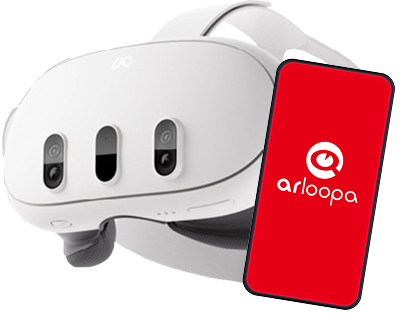
AR vs VR: What’s the Difference and Why AR Is the Future
In the rapidly evolving world of immersive technology, augmented reality (AR) and virtual reality (VR) often get bundled together. Though both offer unique digital experiences, AR is positioning itself as the future due to its accessibility and integration with everyday life. Let's delve into their key differences and explore why AR is set to lead the way.
Introduction: AR and VR Are Often Confused
Defining Augmented Reality and Virtual Reality
Augmented reality (AR) refers to digital content overlaying the real world, enhancing one's interaction with their environment through devices such as smartphones or glasses. On the other hand, virtual reality (VR) immerses users in a fully digital space, creating a sense of another reality altogether. Both are part of immersive technologies meant to enrich our perception, yet they differ fundamentally in application and purpose.
Collectively understood under the umbrella of immersive technologies, both AR and VR have garnered attention for offering novel ways of experiencing information and environments. However, AR's ability to seamlessly integrate into day-to-day activities makes it more scalable.
What Is Augmented Reality?
Augmented Reality is the art of layering digital information onto the real world, providing interactive experiences that enhance the user's perception. It manifests in multiple formats:
- Smartphone AR: Utilizes your phone's camera to blend digital elements with the real world.
- Web AR: Offers AR experiences through a browser, eliminating the need for downloads.
- Wearable AR Glasses: Glasses that allow a hands-free overlay of digital content.
Consider everyday examples like product visualization in shopping, Snapchat face filters, AR navigational tools enhancing maps, and enriched educational resources through visual aids.

What Is Virtual Reality?
Virtual reality immerses users entirely within a digitally constructed environment. This requires specialized hardware, such as VR headsets, and sometimes controllers to simulate real-world interaction within the digital space. Its applications are vast and varied:
- Gaming: Offering lifelike environments, VR gaming stands as a cornerstone of VR use.
- Simulations and Training: Providing practical experience without real-world risks.
- Virtual Tours: Enabling virtual exploration of distant locations and venues.
Where AR and VR Work Best
- VR: Best for deep immersion and scenarios requiring complete user engagement and simulation control.
- AR: Primed for commerce, marketing, education, events, and utilities that intersect with physical reality.
The choice between AR and VR should align with business objectives and user context.
AR vs VR: The Key Differences
Comparison of Environments and Hardware
- Environment:
- AR enhances the existing world.
- VR creates a new digital universe.
- Hardware:
- AR generally requires only smartphones or tablets.
- VR needs dedicated headsets and other hardware like controllers.
Accessibility and User Experience
With AR, the barrier to entry is lower as it typically uses devices people already own, making it accessible and adaptable for both consumers and businesses. User interactions in AR are often short and integrated into daily routines. In contrast, VR sessions are longer requiring specific settings.
Why AR Is the Future
AR effortlessly blends into everyday routines without separating users from their surroundings. Its compatibility with existing devices lowers barriers to entry. For businesses, AR offers:
- Broader Reach: Accessibility by a wider audience.
- Faster Adoption: Familiarity with existing devices encourages uptake.
- Measurable Engagement: Real-time engagement metrics can be tracked.
- Real-World Use Cases: Applications in retail, advertising, training, and beyond, enhancing spatial computing trends.
How Brands Can Start with AR Today
Practical Entry Points
Brands looking to integrate AR should consider:
- AR Product Try-Ons: Enable customers to visualize products in their own environment.
- Interactive Packaging: Enhance product interaction beyond the physical.
- Social AR Campaigns: Engage directly with audiences on platforms they already frequent.
Start with targeted use cases that tie into customer experience or conversion goals. Selecting tools and partners that simplify production and scaling is crucial.
How it works in ARLOOPA Studio
- Select Your AR Experience Type: Begin by choosing the format – mobile AR, web AR, etc.
- Upload Digital Assets: Integrate your 3D models, animations, or graphics as needed.
- Set Up Interactions: Define how users will interact with the digital elements.
- Preview and Test: Use ARLOOPA’s preview tools to test the functionality.
- Deploy: Publish your AR experience to your chosen distribution channels.
Troubleshooting
- Issue: Incomplete Asset Loading
Solution: Ensure all assets are in compatible formats and meet size requirements. - Issue: Unresponsive AR Experiences
Solution: Check device compatibility and update both firmware and applications. - Issue: Interactions Not Working
Solution: Re-check interaction settings and ensure proper linkage within the AR experience setup. - Issue: Poor AR Rendering Quality
Solution: Optimize asset quality and adjust rendering settings to balance performance. - Issue: Limited Viewer Engagement
Solution: Enhance user interaction elements and provide clear and engaging content.
Quick Checklist
- Understand core differences between AR and VR.
- Identify primary goals and user experience needs.
- Select appropriate hardware for your budget and audience.
- Develop an AR content strategy focused on practical needs.
- Utilize ARLOOPA for streamlined AR development.
Conclusion: AR and VR Both Matter, but AR Has the Broader Everyday Potential
While virtual reality offers unparalleled immersive experiences, augmented reality’s real-world applications present greater opportunities for everyday engagement and accessibility. Businesses leveraging AR can capitalize on wider audience reach and innovative experience integration.
Frequently Asked Questions
What is the main difference between AR and VR?
AR adds digital content to the real world, while VR places users inside a fully digital environment.
Why is augmented reality considered more accessible than virtual reality?
AR often works on smartphones, tablets, and browsers that people already use, while VR usually requires dedicated headsets and a more controlled setup.
How can businesses use AR today?
Businesses can start with practical use cases such as product try-ons, interactive packaging, educational overlays, and social AR campaigns tied to customer engagement or conversion goals.
Start planning your AR experience with ARLOOPA Studio