




 10 Real-World Examples of Augmented Reality You Use Every Day
10 Real-World Examples of Augmented Reality You Use Every Day
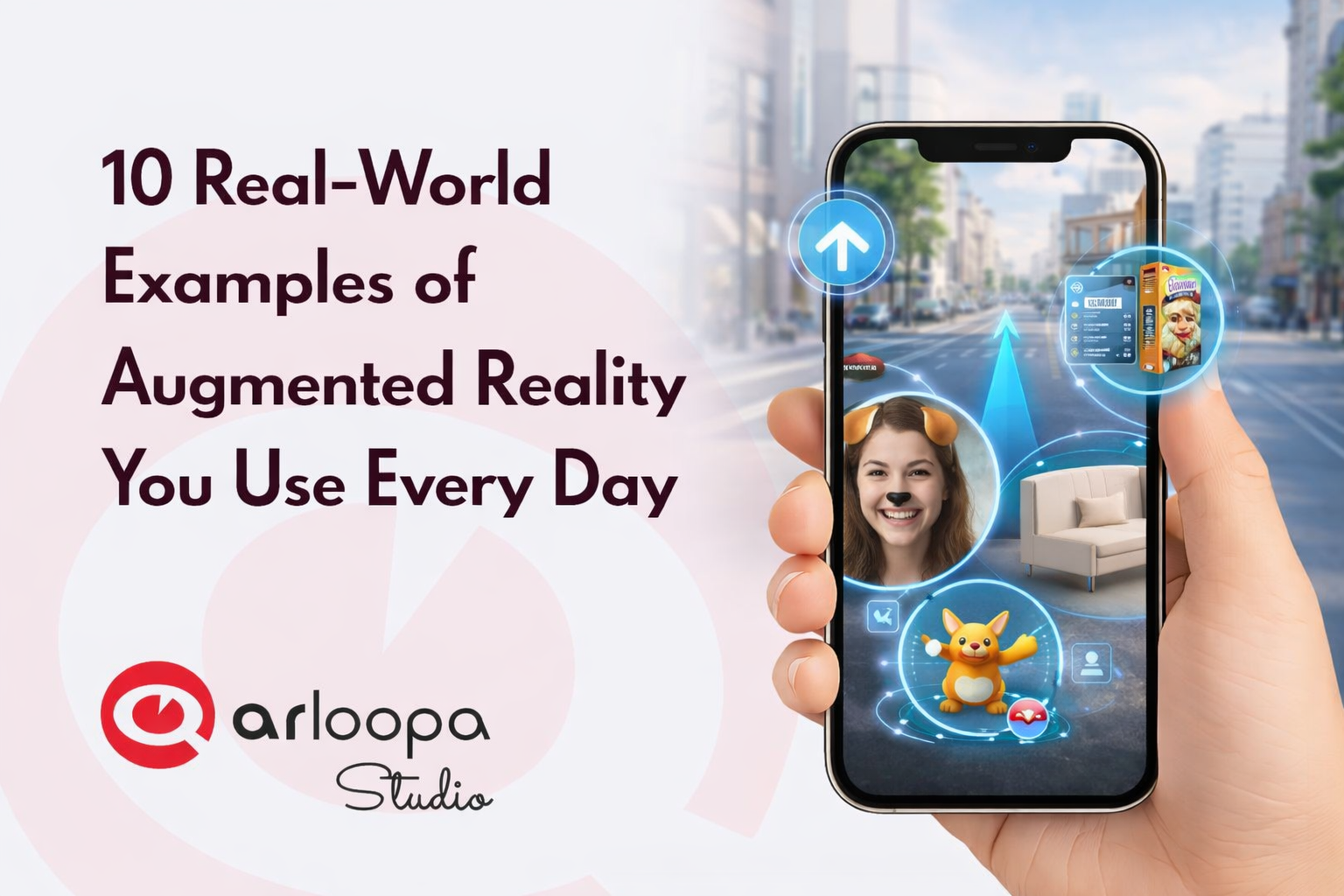
Augmented Reality (AR) is no longer just futuristic technology used in science fiction movies. Today, AR is part of our everyday lives — often in ways we don’t even notice.
From social media filters to interactive shopping experiences, Augmented Reality is transforming how we interact with digital content and the physical world.
In this article, we’ll explore 10 real-world examples of augmented reality that people use every day and how this technology is shaping modern digital experiences.
1. Social Media Filters
One of the most popular uses of Augmented Reality today is AR filters on social media platforms.
Apps like Instagram, Snapchat, and TikTok allow users to apply AR effects to photos and videos in real time.
These filters can add:
- virtual makeup
- animated masks
- playful characters
- interactive visual effects
Millions of users interact with AR filters daily, making them one of the most widespread examples of augmented reality.
2. AR Games
Augmented Reality games combine the real world with digital gameplay.
One of the most famous examples is Pokémon GO, which allows players to explore real-world locations while capturing virtual creatures that appear through their smartphone cameras.
AR games encourage players to move around their environment and interact with digital elements placed in real-world spaces.
3. Virtual Try-On in Online Shopping
Retail brands increasingly use augmented reality to allow customers to try products virtually before buying them.
For example, shoppers can try on:
- sunglasses
- makeup
- shoes
- clothing
- jewelry
Many companies use AR to reduce uncertainty during online shopping and help customers make better purchasing decisions.
4. AR Navigation
Navigation apps are starting to integrate AR technology to make directions easier to follow.
For example, Google Maps includes an AR navigation feature that overlays arrows and directions directly onto the camera view.
This helps users understand exactly where they should go, especially in busy city environments.
5. Interactive Product Packaging
Some brands transform product packaging into interactive experiences using AR.
When customers scan a package with their phone, they may see:
- animated characters
- product tutorials
- brand storytelling
- mini games
This approach helps brands create engaging marketing campaigns that connect the physical product with digital content.
6. AR in Education
Augmented Reality is increasingly used in education and learning environments.
Students can scan textbooks or images and see:
- 3D models of historical objects
- animated scientific concepts
- interactive learning experiences
AR makes complex topics easier to understand by turning abstract ideas into visual, interactive experiences.
7. AR in Museums and Tourism
Museums and tourism destinations use AR to create interactive visitor experiences.
Visitors can point their phones at artifacts or landmarks to see:
- historical reconstructions
- animations
- digital guides
- multimedia information
This technology allows people to explore history and culture in a more immersive way.
8. AR in Interior Design
Furniture and interior design companies use AR to help customers visualize products in their homes before purchasing.
One example is the IKEA Place, which allows users to place virtual furniture in their room using their smartphone camera.
This helps customers see how furniture fits within their space and improves confidence in purchasing decisions.
9. AR Advertising Campaigns
Brands are increasingly using AR in advertising to create interactive marketing campaigns.
For example, posters, billboards, and product labels can trigger AR experiences when scanned with a smartphone.
These experiences might include:
- 3D animations
- interactive games
- immersive brand storytelling
AR advertising helps brands capture attention and stand out in crowded marketing environments.
10. AR Photo and Video Effects
Beyond social media filters, AR is also used in mobile camera apps and video editing tools.
Users can add digital elements such as:
- animated objects
- environmental effects
- virtual backgrounds
- creative visual overlays
These tools allow people to produce engaging visual content directly from their smartphones.
Why Augmented Reality Is Becoming Part of Everyday Life
The rapid growth of smartphones has made AR more accessible than ever. Millions of people now interact with augmented reality daily through apps, games, shopping tools, and entertainment platforms.
As AR technology continues to evolve, we can expect to see even more innovative applications across industries like:
- retail
- education
- healthcare
- tourism
- marketing
Create Your Own AR Experiences with ARLOOPA Studio
If you’re inspired by these examples, you can start creating your own Augmented Reality experiences using ARLOOPA Studio.
With ARLOOPA Studio, creators and businesses can build:
- interactive marketing campaigns
- educational AR experiences
- AR games and treasure hunts
- interactive product packaging
- immersive storytelling projects
All without complex coding.


See more articles



Solutions