




 How Artists and Designers Can Showcase Their Work with Augmented Reality
How Artists and Designers Can Showcase Their Work with Augmented Reality
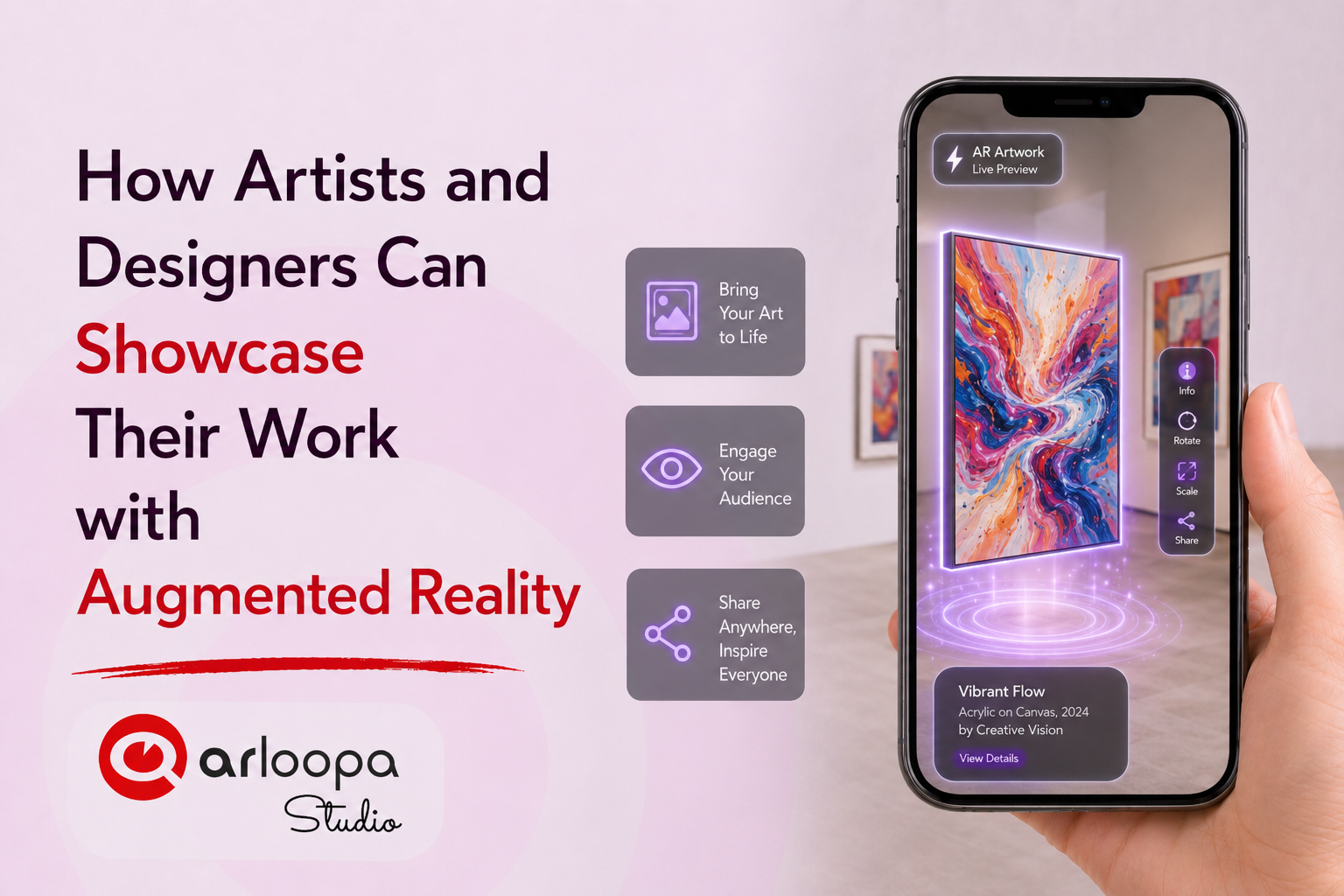
The creative industry is constantly evolving, and artists and designers are always looking for new ways to present their work in more engaging and immersive ways. One of the most exciting tools transforming creative portfolios and exhibitions today is Augmented Reality (AR).
With AR, artists can bring static artwork to life, designers can create interactive presentations, and audiences can experience creativity in entirely new ways.
In this article, we’ll explore how artists and designers can use Augmented Reality to showcase their work, attract attention, and create memorable digital experiences.
What Is Augmented Reality in Art and Design?
Augmented Reality (AR) overlays digital content onto the real world through smartphones, tablets, or AR glasses.
For artists and designers, this means turning traditional visual content into interactive experiences that can include:
- 3D elements
- animations
- videos
- sound
- interactive storytelling
Instead of simply viewing artwork, audiences can actively engage with it.
Why Artists and Designers Are Using AR
Augmented Reality allows creatives to go beyond the limitations of physical space and traditional presentation formats.
AR helps artists and designers:
- create immersive experiences
- stand out online and offline
- increase audience engagement
- make portfolios interactive
- combine physical and digital art
As digital experiences become more important, AR is becoming a powerful tool for creative storytelling.
1. Bring Static Artwork to Life
One of the most popular uses of AR in art is adding motion and interaction to static pieces.
For example, a painting or illustration can trigger:
- animations
- moving visual effects
- digital characters
- sound experiences
- storytelling sequences
When viewed through a smartphone, the artwork transforms into an immersive experience.
This creates a stronger emotional connection between the artwork and the viewer.
2. Create Interactive Portfolios
Traditional portfolios often limit how designers present their ideas.
With AR, portfolios can become interactive experiences where clients can:
- explore 3D models
- interact with product concepts
- visualize architectural projects
- view animated branding presentations
This is especially valuable for:
- graphic designers
- 3D artists
- architects
- product designers
- fashion designers
Interactive portfolios help creatives stand out in competitive industries.
3. Build Immersive Art Exhibitions
AR is increasingly used in museums, galleries, and exhibitions.
Artists can enhance exhibitions by adding:
- digital overlays
- virtual storytelling
- interactive information
- animated environments
Visitors can scan artworks or spaces with their smartphones to unlock additional layers of content.
This creates a more engaging and modern gallery experience.
4. Visualize Art in Real Spaces
AR allows artists and collectors to preview artwork in physical environments before installation.
For example:
- paintings can appear on walls virtually
- sculptures can be visualized in public spaces
- interior designers can place decor digitally
This helps both creators and clients better understand scale, placement, and visual impact.
5. Create Shareable Social Media Experiences
Augmented Reality is highly shareable, making it a valuable tool for self-promotion.
Artists can create:
- AR filters
- interactive social media effects
- animated promotional content
- AR-based campaigns
These experiences encourage audiences to engage with and share the artwork online.
6. Combine Physical and Digital Creativity
AR creates opportunities for hybrid art experiences that blend physical and digital mediums.
Artists can combine:
- printed illustrations with animation
- murals with interactive overlays
- sculptures with digital storytelling
- fashion with virtual effects
This opens entirely new creative possibilities.
Industries Using AR for Creative Presentation
Augmented Reality is now widely used across creative industries, including:
Fine Art
Interactive digital exhibitions and animated paintings
Fashion Design
Virtual try-ons and immersive runway experiences
Interior Design
AR furniture and decor visualization
Architecture
Interactive building and space presentations
Product Design
3D concept visualization and prototyping
Benefits of Using AR for Creative Work
Increased Engagement
Interactive experiences capture more attention than static content.
Unique Presentation Style
AR helps creatives stand out from traditional portfolios.
Better Storytelling
Artists can communicate ideas through immersive experiences.
Global Accessibility
Audiences can experience AR artwork anywhere through smartphones.
Create AR Experiences with ARLOOPA Studio
Artists and designers can create immersive AR experiences using ARLOOPA Studio.
With ARLOOPA Studio, creatives can build:
- interactive art exhibitions
- AR portfolios
- animated artwork
- immersive storytelling experiences
- AR marketing content
without complex coding.
This makes AR technology accessible to creators of all skill levels.
The Future of AR in Art and Design
As AR technology continues to evolve, the line between physical and digital creativity will become even more blurred.
Future trends may include:
- wearable AR art experiences
- interactive public installations
- AI-powered immersive creativity
- fully digital exhibition spaces
Augmented Reality is opening new possibilities for how art is created, shared, and experienced.
Augmented Reality is transforming how artists and designers present their work.
By turning static content into immersive experiences, AR allows creatives to engage audiences in ways that traditional media cannot.
Whether through interactive exhibitions, animated artwork, or immersive portfolios, AR is helping artists and designers push the boundaries of creativity and storytelling.
As digital experiences become increasingly important, Augmented Reality will continue shaping the future of creative expression.


See more articles



Solutions