
 How Augmented Reality Is Transforming Tourism and Travel Experiences
How Augmented Reality Is Transforming Tourism and Travel Experiences
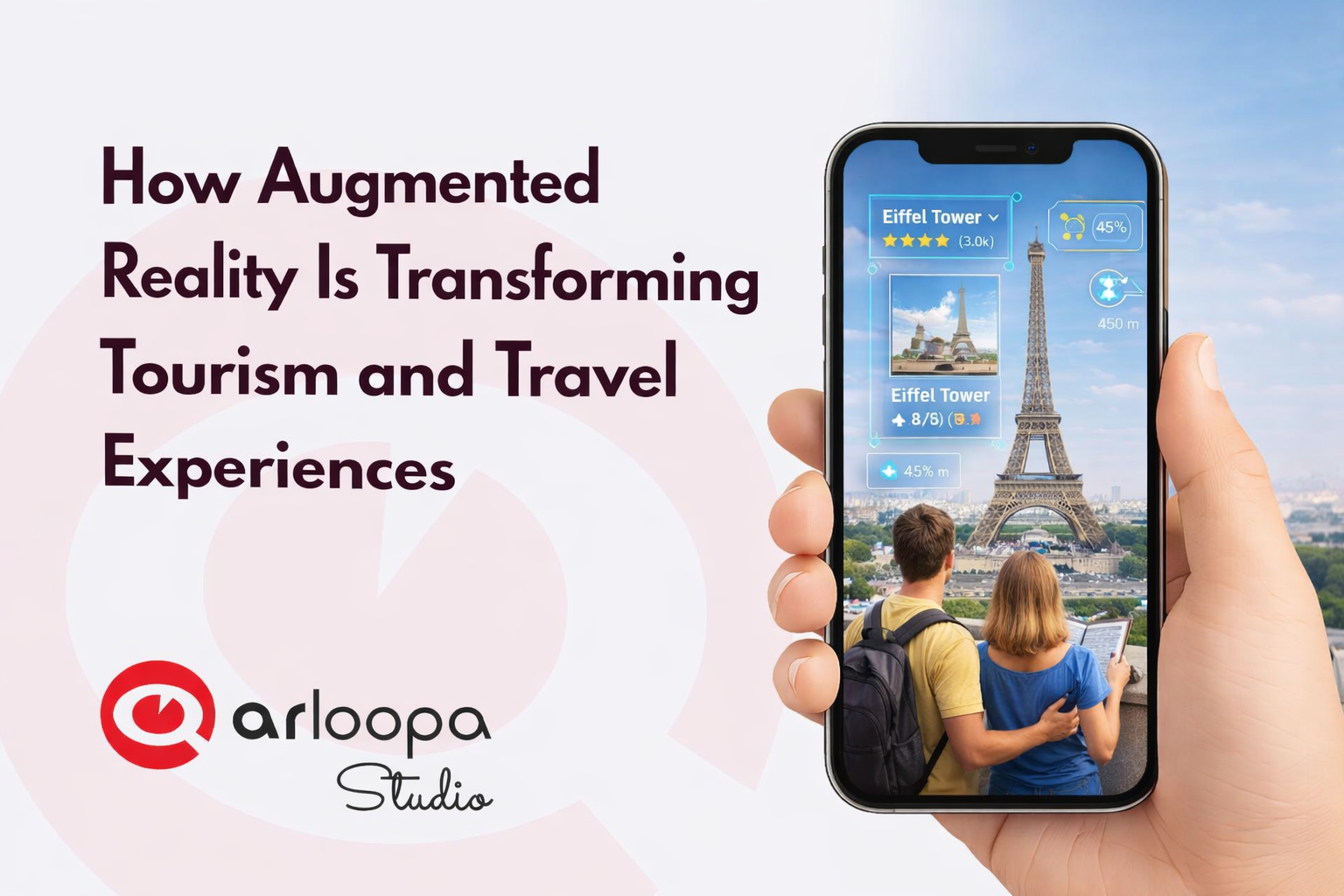
Tourism is no longer just about visiting places - it’s about experiencing them in new and engaging ways. With the rise of immersive technologies, Augmented Reality (AR) is transforming how travelers explore destinations, learn about history, and interact with their surroundings.
From interactive city guides to AR museum experiences, augmented reality is becoming an essential tool for tourism organizations, travel brands, and cultural institutions.
In this article, we’ll explore how augmented reality is revolutionizing the tourism industry and how businesses can use AR to create unforgettable travel experiences.
What Is Augmented Reality in Tourism?
Augmented Reality in tourism refers to the use of AR technology to overlay digital content onto real-world locations using smartphones, tablets, or AR glasses.
By simply pointing a device at a landmark, monument, or map, travelers can unlock interactive experiences such as:
• historical reconstructions
• 3D visualizations
• guided tours
• multimedia storytelling
• interactive navigation
This technology enhances the visitor experience by providing context, education, and entertainment directly within the environment being explored.
1. Interactive AR City Guides
Traditional travel guides often rely on maps, brochures, or audio tours. Augmented Reality transforms these guides into interactive digital companions.
Tourists can scan buildings or landmarks and instantly see:
• historical information
• 3D reconstructions of past events
• animated characters explaining history
• navigation directions to nearby attractions
AR city guides help visitors explore destinations independently while still receiving rich contextual information.
2. Bringing History to Life at Cultural Sites
One of the most powerful uses of augmented reality in tourism is historical reconstruction.
Visitors at archaeological sites or historic landmarks can see how locations looked in the past through AR overlays.
For example, AR can show:
• ancient buildings reconstructed in 3D
• historical events happening in front of visitors
• famous figures explaining the history of the site
This creates a more engaging and educational experience compared to traditional plaques or printed descriptions.
3. Enhancing Museum and Exhibition Experiences
Museums are increasingly using Augmented Reality experiences to make exhibits more interactive.
Instead of simply viewing artifacts behind glass, visitors can scan objects and unlock digital content such as:
• 3D artifact reconstructions
• animated historical scenes
• expert explanations
• interactive storytelling
AR allows museums to present complex information in a visually engaging way, making exhibits more appealing to modern audiences.
4. AR Treasure Hunts and Interactive Tours
Augmented Reality can turn sightseeing into a fun and interactive adventure.
Tourism organizations can create AR treasure hunts or exploration games where visitors discover hidden digital objects throughout a city or attraction.
For example, travelers might:
• search for hidden AR objects across landmarks
• unlock rewards at specific locations
• follow story-based exploration routes
• complete challenges to discover new areas
These experiences encourage visitors to explore destinations more deeply and spend more time engaging with the environment.
5. Improving Navigation and Visitor Orientation
Travelers often struggle to navigate unfamiliar cities or tourist sites. Augmented Reality can provide visual navigation tools directly within the camera view.
AR navigation can display:
• arrows pointing to attractions
• highlighted routes
• distance information
• nearby restaurants or landmarks
This makes it easier for tourists to move around and discover places they might otherwise miss.
Benefits of Augmented Reality for the Tourism Industry
The tourism industry is increasingly adopting AR because it offers several key benefits.
Improved Visitor Engagement
Interactive AR experiences keep tourists engaged longer and create memorable moments that visitors are more likely to share on social media.
Enhanced Educational Value
Augmented Reality provides deeper context and storytelling, helping visitors better understand historical and cultural sites.
Increased Tourism Attraction
Cities and attractions using innovative technologies like AR often attract more visitors looking for unique travel experiences.
Extended Visitor Time
Interactive experiences encourage travelers to spend more time exploring locations, benefiting local businesses and tourism services.
The Future of AR in Tourism
As technology advances, Augmented Reality travel experiences will become even more immersive.
Future developments may include:
• AR smart glasses for hands-free travel guides
• AI-powered AR tour assistants
• real-time language translation overlays
• interactive cultural storytelling
These innovations will continue to transform tourism into a more interactive, personalized, and immersive experience.
Create AR Tourism Experiences with ARLOOPA Studio
If you’re a tourism organization, museum, or travel brand looking to create immersive experiences, ARLOOPA Studio provides powerful tools for building Augmented Reality content.
With ARLOOPA Studio, you can create:
• interactive city tours
• AR museum exhibits
• AR treasure hunts for visitors
• educational historical reconstructions
• location-based tourism experiences
The platform allows you to design and publish AR experiences without complex coding, making it accessible for tourism professionals and creative teams.


See more articles



Solutions